

Industrial floors are crucial components in manufacturing and storage facilities, designed to withstand heavy loads, chemical spills, and intense wear. They offer durability, safety, and efficiency, enhancing operational productivity. Understanding the types, applications, and maintenance of industrial floors can significantly impact business outcomes by reducing downtime and increasing longevity.
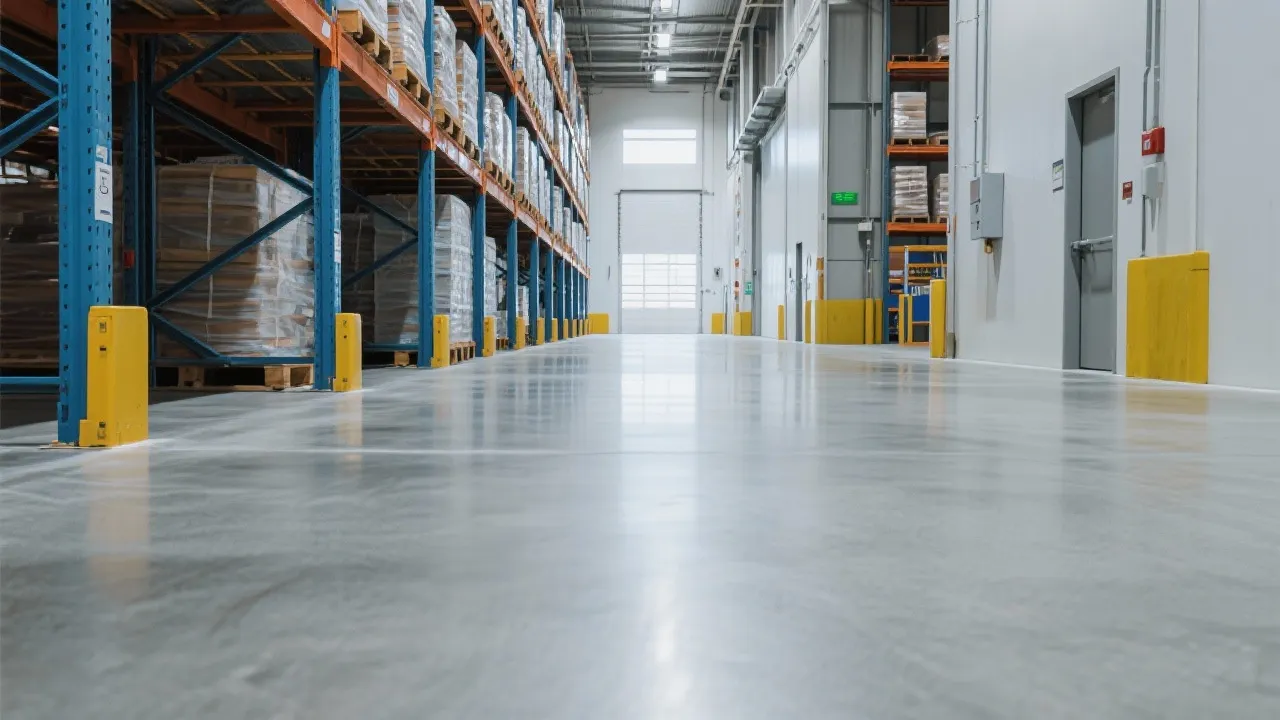
Industrial floors are specialized flooring solutions tailored to the rigorous demands of industrial environments. These floors are engineered to endure the wear and tear common in environments such as warehouses, factories, and distribution centers. The design considerations include mechanical strength, chemical resistance, and ease of maintenance, ensuring they meet the specific needs of each setting. Industrial floors not only provide functional support under extreme conditions, but they are also critical in determining workflow efficiency and safety. With advancements in material technology, modern industrial floors can achieve high performance in durability, aesthetic appeal, and sustainability.
Choosing the right type of industrial floor is critical to the efficiency and safety of a facility. Common types include:
When selecting an industrial floor, it is important to consider:
The installation of industrial floors should be conducted by professionals to ensure optimal adherence to standards. Incorrect installation can lead to issues such as lifting, cracking, or inadequate bonding to the substrate. Therefore, it is wise to work with seasoned contractors who understand the nuances of different flooring materials. Post-installation, regular maintenance is crucial to uphold performance, which includes scheduled cleanings, inspections for damage, and timely repairs. Maintaining a maintenance log can help track the condition of the flooring, identifying areas that require more focus or any patterns in wear that might suggest underlying problems.
Engaging a reliable supplier skilled in both installation and maintenance can provide peace of mind and sustain productivity. Many suppliers offer warranties that cover installation, which can protect your investment in the case of premature failure due to installation error. Training your staff on proper cleaning and maintenance techniques specific to your flooring type is also essential in maximizing lifespan and performance.
Effective industrial flooring contributes significantly to operational efficiency. By minimizing downtime through durable surfaces, they support streamlined workflows. Durable flooring can withstand the wear caused by heavy machinery and foot traffic, ensuring that operations are unobstructed. Additionally, specialized flooring can mitigate work-related injuries by providing stable, slip-resistant environments, ultimately enhancing workforce efficiency. With the right flooring solution, organizations can also avoid significant financial losses related to accidents and damage during daily operations.
Furthermore, the right type of anti-fatigue flooring can enhance employee comfort, leading to increased productivity. When workers are comfortable, they can focus on their tasks without the distraction of fatigue or discomfort, which can be a significant advantage in fast-paced environments. A well-chosen flooring can also reflect an organization's commitment to the wellbeing of its employees, fostering a positive corporate culture that values safety and employee satisfaction.
| Type | Main Advantages | Common Applications |
|---|---|---|
| Concrete | Durability, Cost-effectiveness, Wide range of finishes | Warehouses, Manufacturing Plants, Heavy Equipment Areas |
| Epoxy | Chemical Resistance, Easy Maintenance, Aesthetic options | Laboratories, Food Processing, Warehouses |
| Polyurethane | Thermal Cycling Resistance, Flexible, Durable in high-traffic areas | Cold Storage, Areas with Temperature Flux, Pharmaceutical Facilities |
| Vinyl/Rubber | Comfort, Anti-slip, Reduces noise level | Assembly Lines, Walkways, Healthcare Facilities |
Q: What is the main benefit of epoxy flooring in industrial settings?
A: Epoxy flooring is highly regarded for its chemical resistance and durability, making it ideal for environments where spills and contaminants are frequent. Beyond its chemical resistance, epoxy floors can also enhance the aesthetics of a space with various color choices and designs that can be implemented.
Q: How often should industrial floors be maintained?
A: Maintenance schedules can vary, but regular inspections and cleanings are recommended to promptly address any wear and tear. Depending on the type of industrial activity and traffic load, some floors may require more frequent cleansing or specialized maintenance. Each facility should tailor its maintenance schedule based on specific operational demands.
Q: Can industrial floors be customized for specific needs?
A: Yes, industrial floors can be tailored to meet specific operational needs, including load capacity, chemical exposure, and aesthetic preferences. Custom solutions might involve adapting the mix of materials, adding specific additives for particular environments, or creating unique surface textures to enhance traction and comfort.
Q: What is the lifespan of typical industrial flooring?
A: The lifespan can vary significantly based on the flooring type, environmental conditions, and maintenance practices. Concrete floors can last for several decades if properly maintained, while epoxy and polyurethane might need resurfacing every 5-10 years, depending on the level of use and exposure to various elements.
Understanding and implementing the right industrial flooring solution not only extends the lifespan of the facility but also contributes to increased safety and efficiency, ensuring businesses can operate smoothly and sustainably. Investing in high-quality flooring can save significant costs over time, as the potential for replacements, repairs, and downtime decreases substantially with the right initial choice. Therefore, taking the time to carefully evaluate options and involving all relevant stakeholders in the decision-making process can yield long-term benefits for an organization.



A Trustpay Maquininha oferece soluções modernas e seguras para transações comerciais no Brasil, destacando-se no mercado de pagamentos devido à sua tecnologia avançada e facilidade de uso. Exploramos suas funcionalidades inovadoras, sua aplicabilidade em pequenos e grandes negócios, além de sua capacidade de melhorar a eficiência operacional e a experiência do cliente.
Para receber pagamentos de maneira eficiente, é indispensável conhecer as melhores práticas e ferramentas disponíveis no mercado. Com o crescimento dos negócios digitais, entender como implementar soluções de pagamento pode ser um fator crucial para o sucesso de uma empresa. Este artigo explora estratégias, tecnologias e insights que podem facilitar o gerenciamento de pagamentos online de forma otimizada e segura.
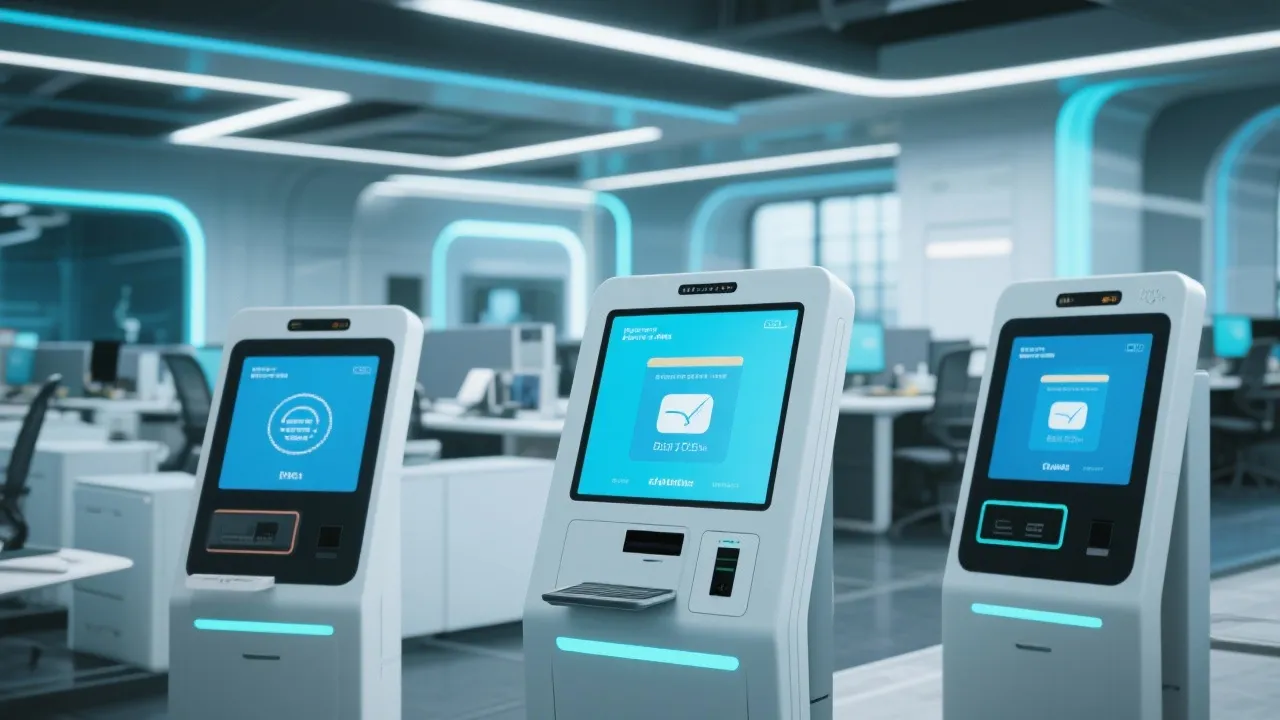
A automatização de pagamentos é essencial para a eficiência empresarial, permitindo que empresas gerenciem transações financeiras com mais precisão e menos erros humanos. Este guia explora como a automatização de pagamentos pode transformar operações de negócios, discutindo suas vantagens, desafios e as melhores práticas para implementação.

Exacta Consultoria es una firma destacada en el sector de servicios de consultoría por su enfoque integral y personalizado. Ofrecen soluciones adaptadas a las necesidades específicas de cada cliente, garantizando resultados efectivos y sostenibles. Se destaca por su equipo altamente capacitado y por estar a la vanguardia en tendencias de la industria.

Aprender a receber pagamentos online é crucial para empresas no ambiente digital. Este artigo aborda estratégias e ferramentas eficazes, analisando como otimizar operações financeiras através de plataformas seguras. Entenda as nuances dos pagamentos digitais e como escolher métodos adequados para sua empresa, promovendo eficiência e segurança.

Este artigo explora o mundo da consultoria e análise como ferramentas essenciais para o sucesso empresarial. Com a crescente complexidade dos mercados modernos, a compreensão das dinâmicas internas e externas através de análises precisas tornou-se crucial. A consultoria oferece soluções personalizadas, ajudando empresas a tomar decisões informadas e estratégicas.